Rolling mills impose heavy, shock-loaded, hot and dusty duty, making bearing capacity and reliability critical. This article reviews selection essentials: generous load margins (typically limiting equivalent dynamic load to about 15% of the basic dynamic load rating), C3/C4 clearance groups to accommodate thermal growth, and the self-aligning spherical raceway that compensates roll deflection and housing deformation to avoid edge stress. Lubrication with oil-air or grease systems, condition monitoring by vibration spectra and temperature trends, and planned replacement windows complete a reliability strategy for mill bearings.
Related News
More company and industry updates
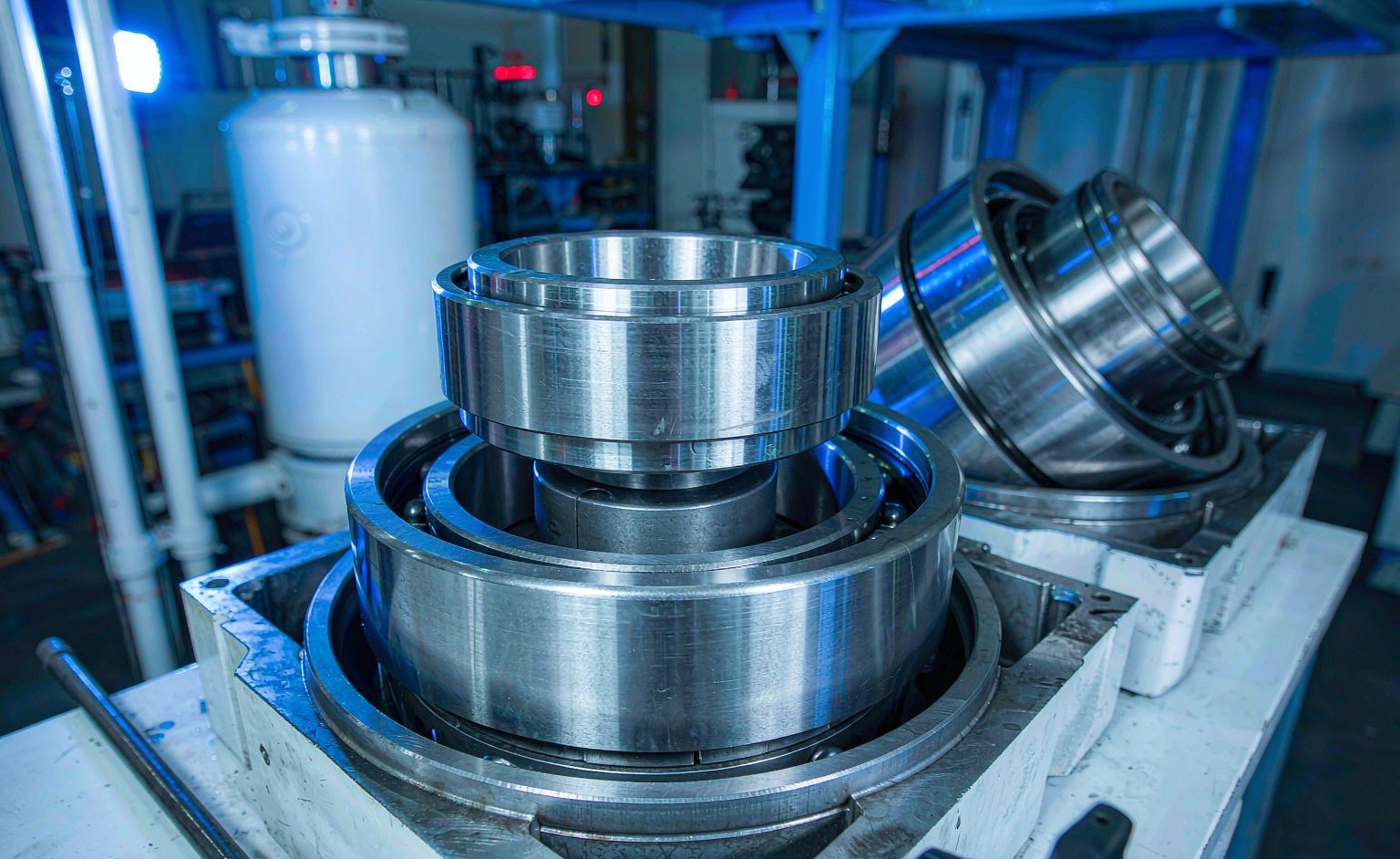
Service Conditions and Technical Requirements of Wind Gearbox Bearings
Wind-turbine gearboxes subject bearings to fluctuating loads, wide speed ranges, frequent starts and 20-year life expectations wit…
Read more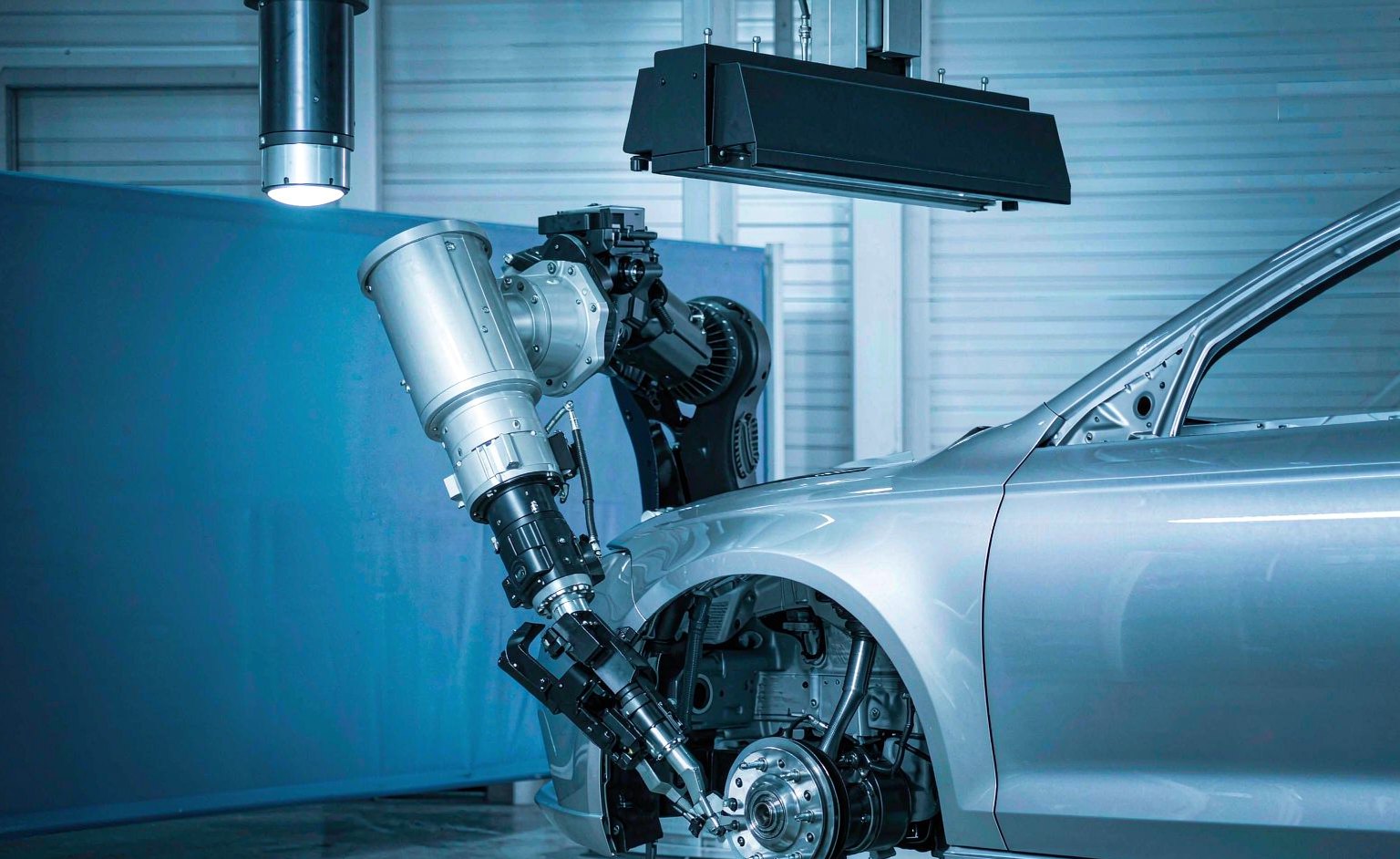
Development Trends in Automotive Wheel Hub Bearing Units
A car uses 100–150 bearings, and the hub bearing directly affects driving safety. This article traces the evolution from Gen-1 com…
Read more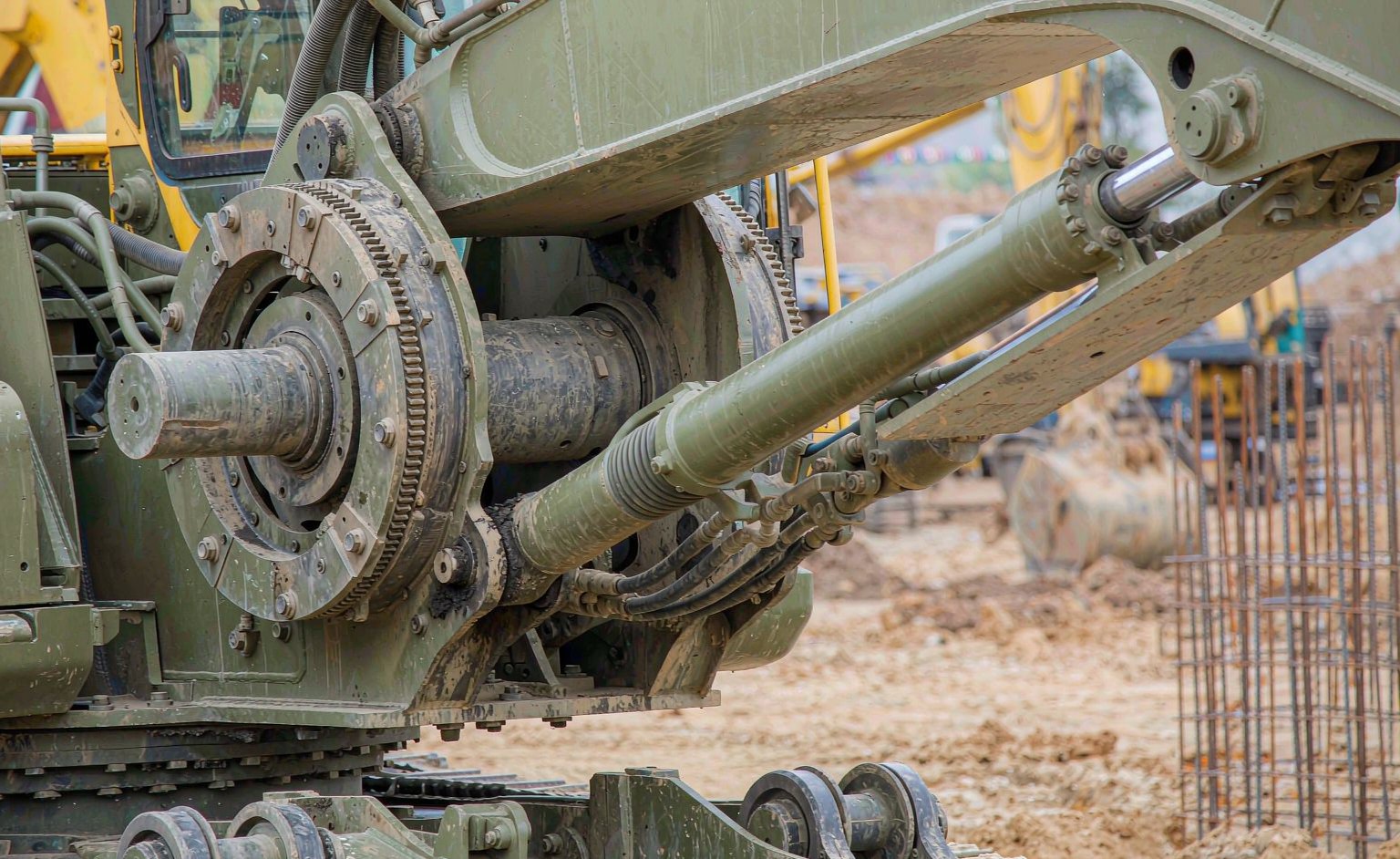
Maintaining Slewing Rings and Travel Bearings on Construction Machinery
Excavators, cranes and rotary drilling rigs operate in dust, mud, shock and heavy load. This article summarises maintenance essent…
Read more